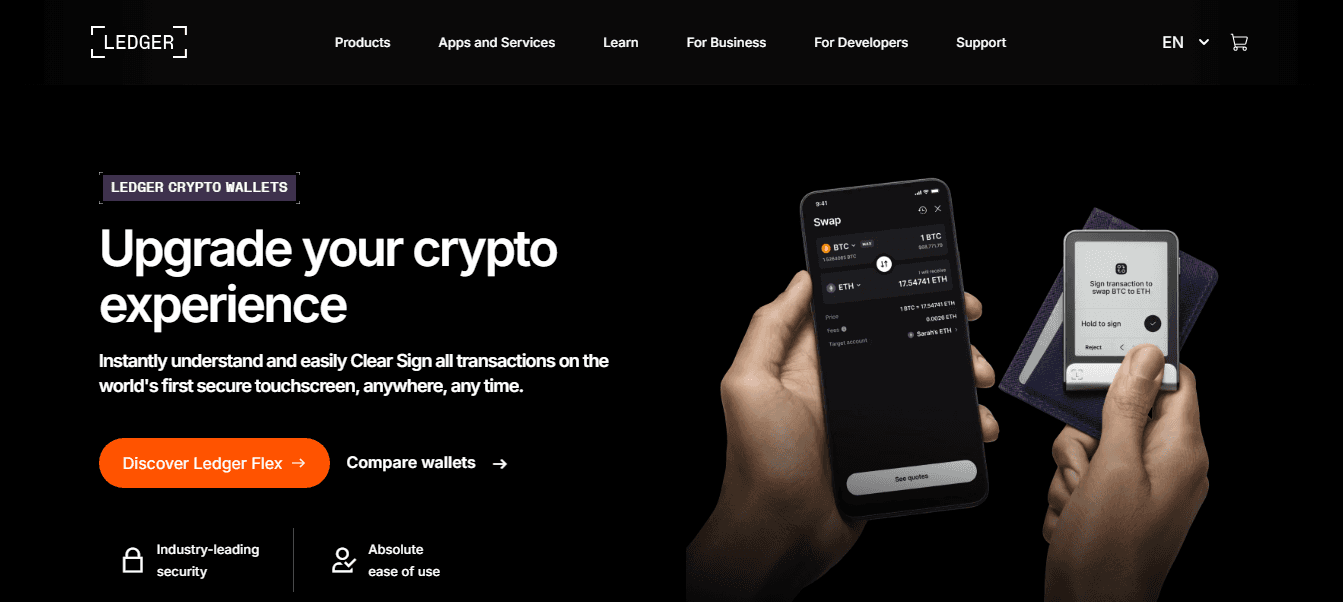
Ledger Live: A Fresh 1200-Word Overview (Rewritten Content)
Ledger Live is a software application built to help people manage their digital assets in a secure, organized, and user-friendly environment. It works alongside Ledger hardware wallets, which are known for their strong protection against cyber threats. Even though many crypto-related services require users to be adults, learning how Ledger Live works can be beneficial for understanding modern technology, cybersecurity, and the structure of digital finance. This version explores Ledger Live from a technical, functional, and educational perspective.
What Ledger Live Represents
Ledger Live is an all-in-one platform that gives users visibility into their cryptocurrency holdings while keeping private keys stored safely inside Ledger devices. It is not a wallet on its own—rather, it is a control center that connects to a hardware wallet. Think of it as a secure dashboard that shows information like balances, transaction history, and blockchain network status, while the physical device performs sensitive operations.
Its main goal is to combine strong security with a simple experience. It brings together different tools that crypto users often need, but in a way that avoids unnecessary complexity. Instead of switching between apps, browsers, or websites, Ledger Live centralizes everything in one place.
Why Ledger Live Works With Hardware Devices
A key idea behind Ledger Live is that sensitive data should never be exposed to the internet. Private keys are extremely important in cryptocurrency because they allow control over assets. If a private key is stolen, the asset is gone.
Ledger Live solves this by letting the hardware wallet handle all secret information. The app’s job is to display information, communicate with the blockchain, and offer user-friendly navigation. The device’s job is to sign and approve actions. This separation is what gives Ledger products their reputation for strong protection.
Users interact with the app on their computer or phone, but when an important action occurs, the hardware wallet prompts them to confirm or reject it on its built-in screen. This ensures the action is authentic and hasn’t been manipulated by a virus or compromised device.
Interface and Navigation
Ledger Live is structured to be simple and visually clear. The layout usually includes:
Portfolio Home
A summary of all digital assets combined into one view. It displays overall value changes, market trends, and long-term patterns. Even without performing transactions, examining these charts can help people understand how blockchain assets fluctuate.
Accounts Overview
Each cryptocurrency is stored in separate “accounts.” These accounts show detailed records like confirmations, timestamps, and movement history. This section helps users understand how blockchain networks record data transparently.
Market Section
Ledger Live includes informational price tracking tools. This section gives real-time price updates for various digital assets and displays long-term charts for studying performance. It’s a useful place to learn how markets change due to supply, demand, or global events.
Discover or App Integrations
Depending on the version, Ledger Live may offer curated educational tools or partner apps. These features help users learn about staking, decentralized networks, or different blockchain utilities. They are optional and designed to increase understanding of how different systems work.
Settings and Device Management
This area lets users adjust preferences, update firmware on their hardware wallet, and manage supported blockchain apps. Keeping firmware updated is important because security improvements are constantly being developed.
Security Design and Philosophy
Ledger Live’s architecture emphasizes a “security-by-design” approach. Its core security elements include:
Offline Key Storage
Private keys always remain inside the hardware wallet’s secure chip. They never appear on the Ledger Live interface, which means even if a computer is hacked, the keys remain protected.
Transaction Verification
Any transaction or important action requires confirmation directly on the physical device. Users must see the transaction details on the hardware wallet’s own screen before approving it. This ensures nothing is altered behind the scenes.
Device Attestation
Ledger hardware wallets use a built-in mechanism to verify that they are genuine. This helps prevent counterfeit devices from being used with Ledger Live.
Open Source Code Components
Large parts of the software are open source, meaning developers worldwide can review the code. This transparency builds trust and helps identify vulnerabilities faster.
Security Updates
Both Ledger Live and Ledger hardware wallets receive frequent updates to fix bugs, patch vulnerabilities, and expand compatibility with new blockchains.
Asset Management Tools
Ledger Live offers a variety of organizational and analytical tools that help people understand digital asset ecosystems more clearly.
Multi-Asset Support
The app supports many different blockchains, from major networks to emerging ones. This teaches users how various blockchains operate independently yet follow similar principles.
Detailed Transaction History
Each transaction includes technical data such as:
Network confirmations
Transaction fees
Addresses involved
Block height
Status and timing
Seeing this information helps users grasp how blockchains verify and record data.
Real-Time Performance Tracking
Users can study patterns in asset prices, compare growth trends, and observe how global events influence markets. This promotes financial literacy without requiring users to trade or invest.
Organized Account Structure
Accounts can be renamed, sorted, or grouped. This helps users develop organizational habits and understand how different cryptocurrencies coexist within a portfolio.
Educational Value of Ledger Live
For young learners exploring the digital world, Ledger Live offers insights into multiple areas of modern technology:
Cybersecurity
Ledger Live illustrates concepts like encryption, offline storage, and two-step verification. Understanding these principles helps teens learn how to protect their online data.
Blockchain Basics
Ledger Live shows real-time information from blockchains. This can teach key ideas such as:
How confirmations work
How decentralized systems verify data
What transaction fees are
How wallets interact with networks
Digital Ownership
Unlike centralized services, Ledger Live emphasizes user control. The idea of self-custody teaches important lessons about responsibility and privacy.
Market Awareness
Without performing any financial activity, users can observe how prices move, what causes market shifts, and how volatility affects digital assets.
Integrations and Advanced Features
Ledger Live connects with a variety of blockchain features that help users better understand the broader crypto ecosystem.
Blockchain Apps for Hardware Devices
Each blockchain often requires its own app to be installed on the hardware wallet. This gives users insight into how multi-chain compatibility is built.
Staking Support
Certain blockchains allow users to contribute to network security. Ledger Live includes dashboards that explain how staking works. Even without participating, learners can understand the concept of network validation.
NFT Visualization
Ledger Live can display NFTs for supported blockchains. This helps users learn about digital collectibles, ownership certificates, and blockchain-based artwork.
Third-Party Tools
Some versions of Ledger Live integrate educational or analytical tools that help people explore new blockchain technologies or ecosystems.
Privacy and Autonomy
A notable strength of Ledger Live is its focus on personal control and privacy:
No Central Data Storage
The software does not store private information on external servers. Most data remains local to the user’s device.
User-Controlled Keys
Only the hardware wallet contains private keys. This ensures that users maintain authority over their assets.
No Mandatory Personal Information
Ledger Live does not require personal identity details just to function with a hardware device.
These principles reflect the broader values behind blockchain technology: independence, privacy, and transparency.
Built for Beginners and Experts Alike
One reason Ledger Live is widely respected is that it balances simplicity with depth:
Beginners can navigate the portfolio, view charts, and learn blockchain basics.
Advanced users can explore multiple networks, manage complex portfolios, and study technical details.
This dual-focus design makes Ledger Live a versatile educational tool.
Conclusion
Ledger Live is more than a software interface—it is a comprehensive platform that demonstrates how security, technology, and user empowerment intersect in the world of digital assets. It provides a safe and structured environment for learning about blockchain systems, transaction mechanics, and digital ownership principles. By combining hardware-level protection with intuitive software design, Ledger Live stands as a strong example of how modern crypto tools prioritize both usability and security.