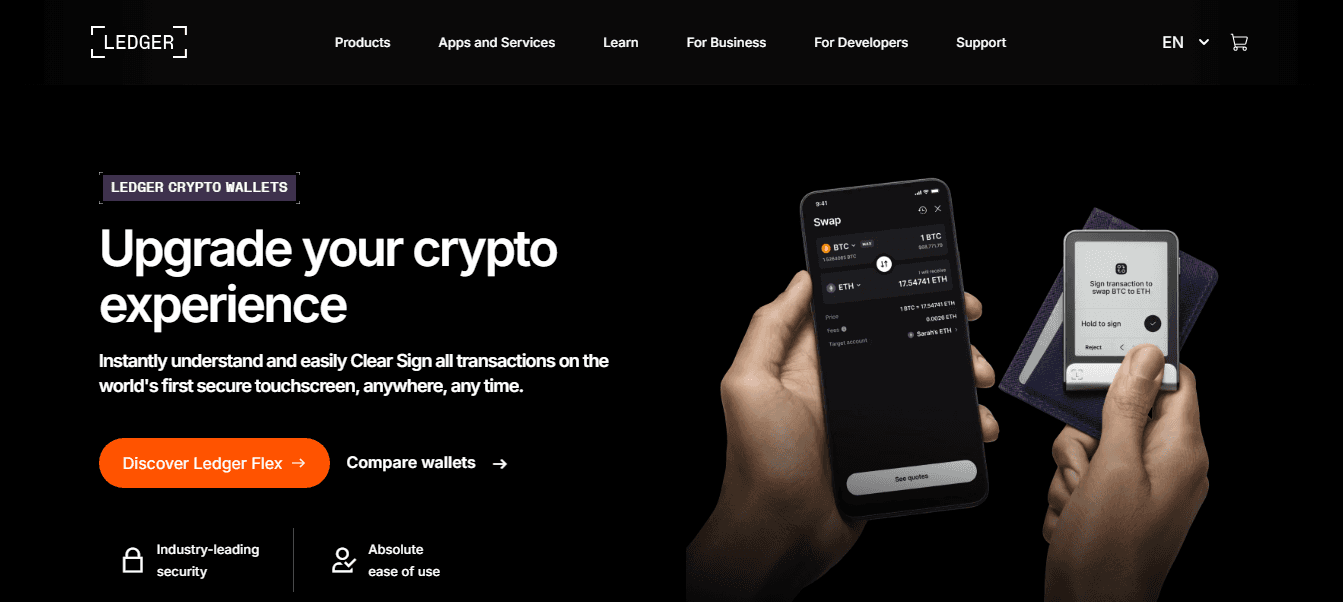
Ledger Live: A New 1200-Word Detailed Overview
Ledger Live is a portfolio and asset-management application designed to work alongside Ledger hardware wallets. It serves as a central hub where users can organize, observe, and interact with their digital assets while maintaining a strong emphasis on security. Even though cryptocurrency platforms are meant for adults, the software itself is a useful example of how modern security systems, blockchain technology, and digital management tools function. This version offers a new perspective on Ledger Live, focusing on its structure, design logic, and role in the broader tech landscape.
1. The Purpose of Ledger Live
Ledger Live was created to simplify the experience of managing multiple digital assets. Before apps like this existed, crypto users had to switch between several tools—online explorers, separate wallet apps, and different blockchain interfaces. Ledger Live brought these tasks together under one system.
Its primary purpose is to give users a clear understanding of their portfolio while keeping private keys safe inside Ledger’s hardware devices. With Ledger Live, people can:
View balances
Track price movements
Monitor transaction history
Explore blockchain-based features
Keep devices updated
Install or remove blockchain apps on their hardware wallet
These features allow users to interact with decentralized networks in a structured and much easier way.
2. Ledger Live as Part of a Bigger System
Ledger Live does not exist alone. It forms one part of the Ledger ecosystem, which includes:
Hardware Wallets
These physical devices store private keys offline. They are the “vault,” while Ledger Live is the visual control panel.
Blockchain Network Apps
Ledger devices require small apps for each supported blockchain. Ledger Live manages these installations.
User Interface Layer
This is the software that users see. It translates technical blockchain information into readable charts, timelines, and messages.
The combination of secure hardware and intuitive software is what makes Ledger Live effective. The app communicates with blockchains, but the hardware wallet signs and verifies actions.
This separation of duties is a key security principle.
3. Interface Breakdown: How the App Is Organized
Ledger Live is structured into several sections that help users understand their assets and the networks they interact with.
Portfolio Dashboard
The portfolio dashboard shows the combined value of all crypto-assets connected to the Ledger device. It displays:
Value evolution over time
A breakdown by asset
Performance indicators
Visual charts
This helps users learn how different assets behave in the market.
Accounts Section
Each cryptocurrency has its own account, showing:
Incoming and outgoing transactions
Current balance
Confirmations
Additional blockchain information
This layout teaches users how blockchain records are transparent and permanent.
Market Insights
The market section tracks price updates for numerous cryptocurrencies. Even without performing financial transactions, users can study cryptocurrency trends, volatility, and performance patterns.
Discover or Apps Area
This section varies by version but may include educational resources, blockchain services, and optional app integrations.
Device Management Section
Here, users can:
Update firmware
Check device status
Install blockchain apps
Change display or device settings
This section highlights how hardware and software communicate.
4. Security Architecture of Ledger Live
Ledger Live follows a layered security approach based on the idea that sensitive information should always remain offline.
Hardware-Based Key Protection
Private keys stay inside the secure chip of the hardware wallet. Ledger Live never sees or stores them.
Action Confirmation on Device
Approvals are made through the physical device, not the computer or phone. This prevents malware from silently changing transaction details.
Verifiable Device Authenticity
Ledger products include systems that confirm whether the hardware wallet is genuine and untampered.
Encrypted Communication
The communication between Ledger Live and the hardware wallet uses encrypted channels.
Regular Security Patches
Both the hardware and software receive ongoing updates to stay protected against evolving threats.
This combination of secure hardware and reliable software makes Ledger Live a strong example of well-designed digital security.
5. Multi-Asset Management and Blockchain Compatibility
Ledger Live supports a wide selection of networks, each operating differently. This makes it a useful tool for studying how:
Layer-1 blockchains differ
Tokens operate on parent networks
Smart contracts function
Validation processes vary between networks
Multi-Account Organization
Users can organize their assets into multiple accounts per currency. This structure mirrors how blockchains create transparent, traceable histories.
Transaction Tracking
Each entry includes:
The number of confirmations
Transaction hash
Network fees
Sender and receiver addresses
Time and date
These details help learners understand the technical structure of blockchain transactions.
6. Ledger Live as an Educational Tool
Even without performing real transactions, Ledger Live offers valuable educational insights for young people interested in technology.
Understanding Blockchain Mechanics
The app shows confirmations, block heights, network fees, and activity statuses, helping users learn how decentralized systems validate and record data.
Learning About Market Behavior
The market section helps users observe price movements, trends, and patterns. It reveals how external events and network updates can influence markets.
Cybersecurity Fundamentals
Ledger Live and hardware wallets demonstrate essential cybersecurity concepts:
Encrypted communication
Device verification
Offline key storage
Secure signing of data
These concepts apply to many digital systems outside of cryptocurrency.
Exploring Digital Ownership
Ledger Live reinforces the idea that users—not companies—control their private keys. This is a core principle of decentralized technology.
7. Advanced Features and Integrations
Ledger Live includes additional features designed to help users explore the wider ecosystem of blockchain technology.
Staking Interface
Many networks allow users to contribute to network security through staking. Ledger Live includes informational dashboards showing how staking works, helping users understand concepts like:
Validators
Delegation
Network rewards
Token lockings
This provides insight into blockchain governance.
NFT Display
Users can view NFTs stored on supported networks. This teaches concepts such as:
Metadata
Smart contracts
Ownership tokens
Digital art ecosystems
Third-Party App Support
Certain versions offer optional services from external developers. These help users learn how different blockchain platforms interact.
8. Privacy and User Autonomy
Ledger Live emphasizes autonomy by giving users control over their tools and data.
Local Data Storage
Portfolio data stays on the user’s device unless they choose to export it.
No Mandatory Personal Information
Ledger Live does not require personal ID to function with a hardware wallet.
No Centralized Custody
Ledger does not have access to user keys or funds. Users are fully responsible for their assets.
This philosophy aligns with the decentralized vision of blockchain systems.
9. Accessibility and Ease of Use
One of Ledger Live’s strengths is its balance between simplicity and complexity.
New users can explore dashboards, charts, and histories without confusion.
More experienced users have access to detailed technical information.
The interface uses clear visuals, making advanced concepts easier to understand.
This versatility is one reason Ledger Live is widely used within the crypto community.
10. Final Overview
Ledger Live is a powerful example of how secure hardware and well-designed software can work together to create a safe environment for managing digital assets. It provides clear visuals, broad blockchain support, strong device integration, and a flexible learning experience. Even without handling financial transactions, exploring Ledger Live helps people better understand cybersecurity, blockchain operations, digital ownership, and modern financial technology.